Implementing and Scaling Cashless Payments in Modern Laundromats

Running a laundromat in 2026 isn’t just about clean machines and good detergent anymore. Customers now expect the same friction-free payments they get everywhere else. The short answer? Cashless payments reduce friction, lift revenue, and make operations easier to scale—but only if they’re implemented with a clear plan.
Below is a practical, owner-to-owner look at how modern laundromats are rolling out and scaling cashless payments without confusing customers or blowing budgets.
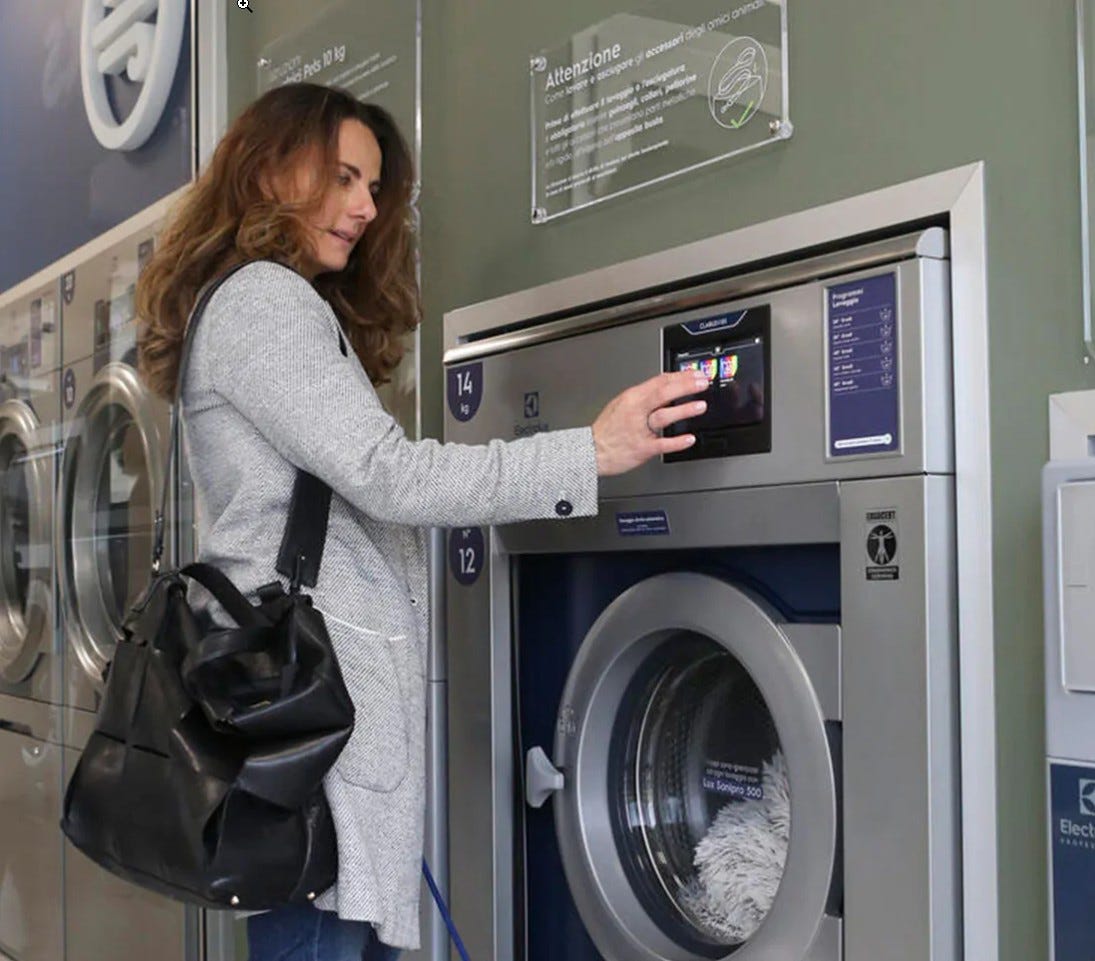
Why are laundromats moving away from coins so quickly?
Anyone who’s emptied a jammed coin box at 9pm knows the pain. Cash feels familiar, but it quietly drags your business backwards.
Across Australia, we’ve seen three forces at play:
Customers carry less cash and expect tap-and-go as default
Coin handling adds labour, theft risk, and downtime
Multi-site operators want real-time visibility, not end-of-week guesswork
From a behavioural point of view, this is classic friction avoidance. The easier you make payment, the more likely people are to start a wash instead of walking out.
What does “cashless” actually mean in a modern laundromat?
Cashless isn’t one thing. In practice, it’s a mix of options that reduce reliance on coins without forcing customers into a single behaviour.
Most successful laundromats combine:
Contactless card payments (Visa, Mastercard, mobile wallets)
App-based payments for regulars
Stored value or QR systems for loyalty users
The key is choice architecture. Give people a default (tap-and-go) while letting power users adopt the app over time.
How does cashless payment improve customer behaviour?
This is where psychology kicks in.
When customers tap a card instead of counting coins:
They start machines faster
They’re less price-sensitive per cycle
They’re more likely to add a dryer session
That’s pain-of-paying reduction in action. Removing the physical loss of coins reduces perceived cost, even if prices stay the same.
We’ve seen owners quietly lift average spend per visit without touching signage or pricing—just by making payment smoother.
What operational problems does cashless solve?
Cashless systems quietly remove several headaches operators often accept as “just part of the job”.
They help reduce:
Machine downtime caused by coin jams
Theft and shrinkage
Staff hours spent counting and reconciling
Disputes over “lost coins”
From a Mark Ritson lens, this isn’t just efficiency—it’s better asset utilisation. Machines earn more because they’re available more often.
How do you introduce cashless without upsetting regulars?
This is where many owners stumble. The mistake is ripping out coins overnight.
A smarter rollout looks like this:
Run cash and cashless in parallel at first
Use simple signage that says “You can still pay the same way”
Let behaviour shift naturally
Consistency matters. Once customers try tap-and-go twice, they rarely go back to coins. That’s commitment and consistency doing the heavy lifting for you.
Can cashless payments scale across multiple locations?
This is where cashless really earns its keep.
Once you operate more than one site, manual processes start breaking:
Inconsistent pricing
Delayed revenue reporting
No clear view of peak usage
Cashless platforms centralise data so owners can see:
Revenue by machine, by site, by time
Which locations justify upgrades
When demand actually spikes (not when you think it does)
Anyone who’s expanded knows this feeling: scaling without systems feels like running faster on sand.
What about reliability and downtime?
A common fear is “What if the internet drops?”
In practice, modern systems are built with fail-safes:
Transactions queue during brief outages
Machines default to offline modes
Support teams monitor uptime remotely
The bigger risk, ironically, is coin hardware failure—which no one notices until customers start kicking machines.
Is cashless more expensive than coins?
Upfront, yes. Long-term, rarely.
When you factor in:
Reduced labour
Lower theft
Higher average spend
Better pricing control
Most operators see net gains within months. The cost of not evolving is slower, quieter, but far more expensive over time.
For industry context on how Australians now pay, the Reserve Bank of Australia’s overview of payment trends gives a clear picture of where consumer behaviour has already moved:
Consumer payments in Australia
FAQ: common questions laundromat owners ask
Do customers still want coin options?
Some do, especially older regulars. That’s why hybrid systems work best during transition.
Will cashless work in regional areas?
Yes. Mobile coverage is usually more reliable than people expect, and usage patterns are similar to metro sites.
Is staff training complicated?
No. Most systems are simpler than managing coins once installed.
Final thoughts
Cashless payments aren’t about chasing tech trends. They’re about removing friction—for customers and owners alike. The laundromats that scale smoothly tend to make payment invisible, predictable, and easy, then let behaviour do the rest.
If you’re assessing cashless laundromat payment systems, it’s worth understanding how platforms like this approach to laundromat payments fit into real-world operations rather than just ticking a tech box.
Coins had a good run. But friction never wins in the long term—and neither do businesses that cling to it.